
← Bellacasa JournalIssue No. 2
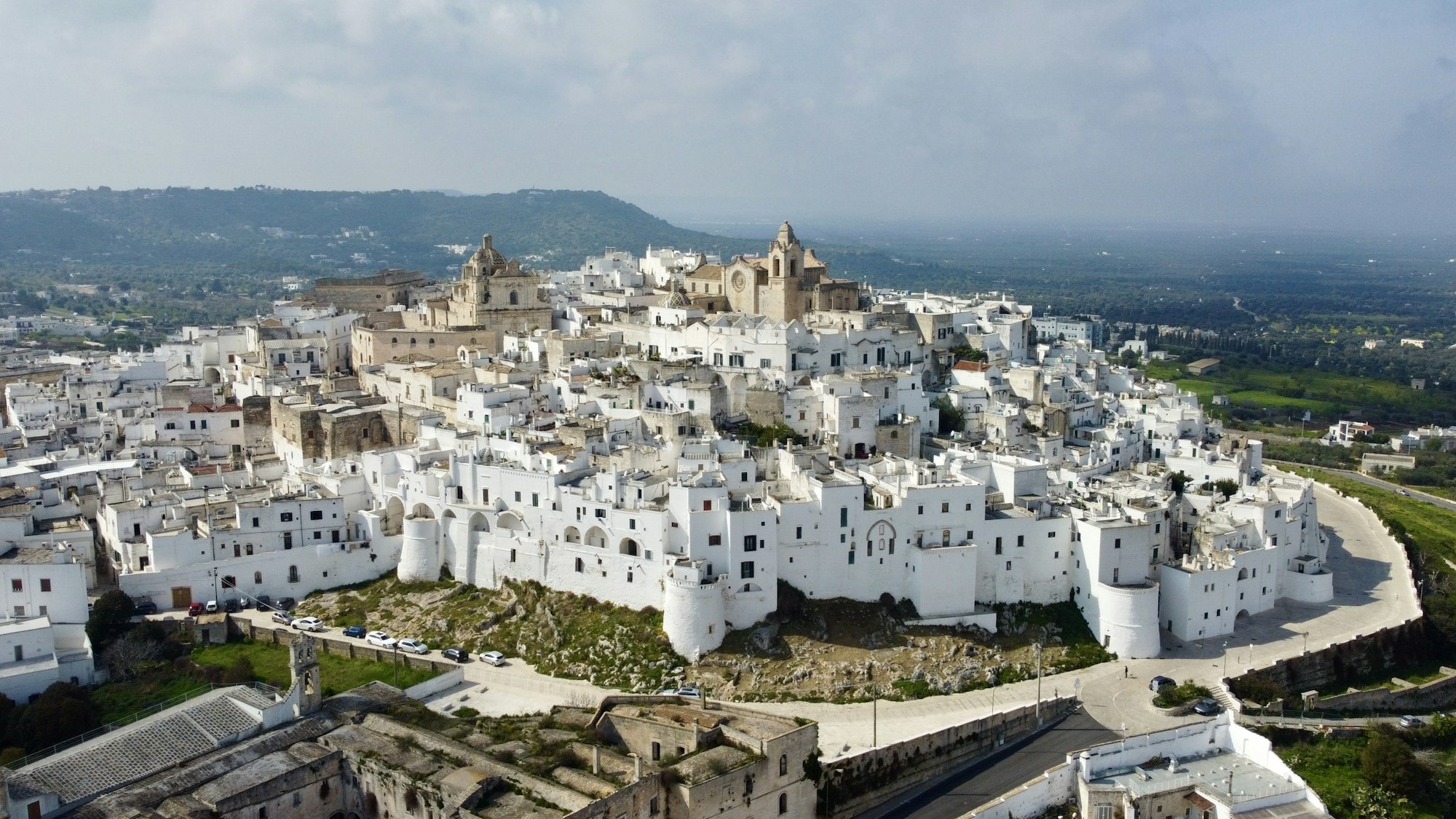
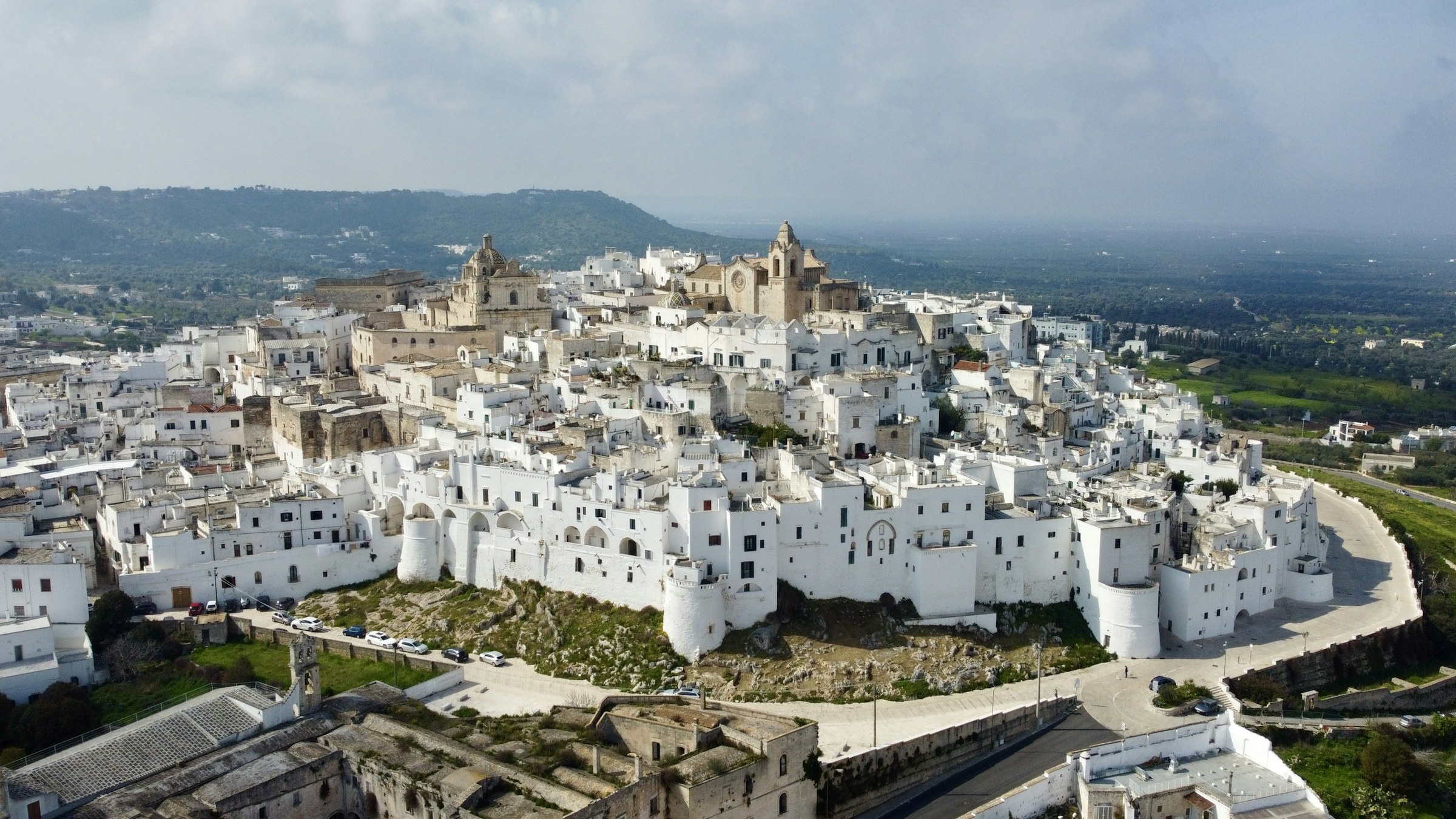
Aerial view of the whitewashed hill town of Ostuni, Puglia
BellacasaJournal

Issue No. 2  ·  2027  ·  The guide

Fifteen places to buy a home in Italy

Hidden, undiscovered and honestly priced — sorted into the finds, the balance, and the dreams that already carry a price tag.

Almost every guide to buying a house in Italy has the same problem. It lists beautiful places, and a beautiful place that fifty thousand other people have already found is not a find. It is a price tag.

So we sorted these fifteen towns into three tiers instead. The finds, where there is still room between price and quality. The balance, where you pay more but get liquidity, healthcare and a rental season longer than nine weeks. And the dreams with a price tag, where the places are exactly as good as their reputation and the market already knows it.

Six of the fifteen landed in that last tier. That is not a criticism of those towns. It is information you need before you make an offer.

TIER ONE

The finds

Five towns the market has not yet priced correctly. All five have working communities, a food culture of their own, and renovation projects under two hundred thousand euro.

01MOLISE / ADRIATIC COAST

Termoli

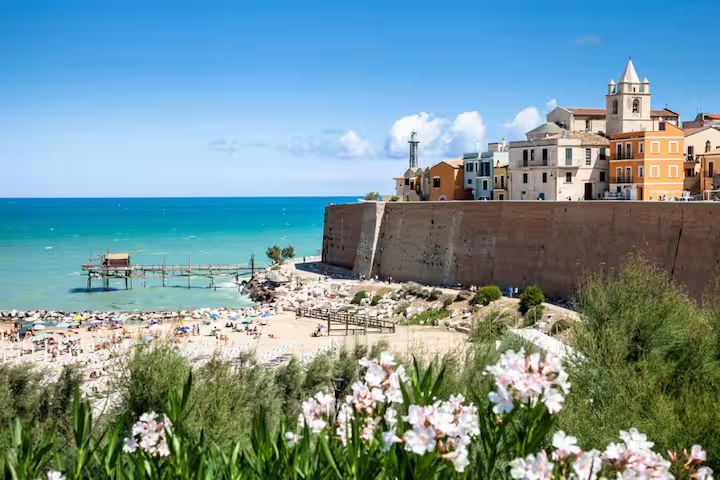
A walled medieval borgo on a headland over the Adriatic, in the region Italians joke does not exist.
Termoli, molise / adriatic coast
TermoliMOLISE / ADRIATIC COAST

Why it is a hidden gem

Termoli is probably the most underpriced coastal town in Italy with this particular combination: a medieval core on a cliff above the Adriatic, its own station on the main railway line, a ferry to the Tremiti Islands, and a town that lives all year rather than for nine weeks in summer.

The reason it is cheap is that it sits in Molise, the subject of Italy's most reliable running joke about a region that does not exist. That joke has held prices down for thirty years. Meanwhile the region is losing population, and the municipalities know it, which makes them open to newcomers in a way Tuscany stopped being in the nineties.

What to do

Walk in through Porta Nuova at sunset, when the borgo turns pink. Take the ferry to San Domino in the Tremiti, an hour out. Follow the trabocchi coast north into Abruzzo. Drive inland to Larino for its Roman amphitheatre, then further up into Alto Molise to Agnone, where church bells have been cast since the eleventh century.

What to eat

Brodetto alla termolese is the dish. Fish stew in a clay pot, cooked with nothing but tomato, oil and chilli, never with wine. Every family has its own version and every family believes the others are wrong. Alongside it: caciocavallo from Agnone, ventricina, and Tintilia, Molise's own grape, which barely exists outside the region.

The outlook

Cautiously positive. Termoli has everything required for a repricing but so far lacks international visibility. We expect stable to slightly rising values over the next three years, with the potential for faster movement if the region gains tourist attention. The downside is limited because prices are already low.
02ABRUZZO / COSTA DEI TRABOCCHI

Vasto

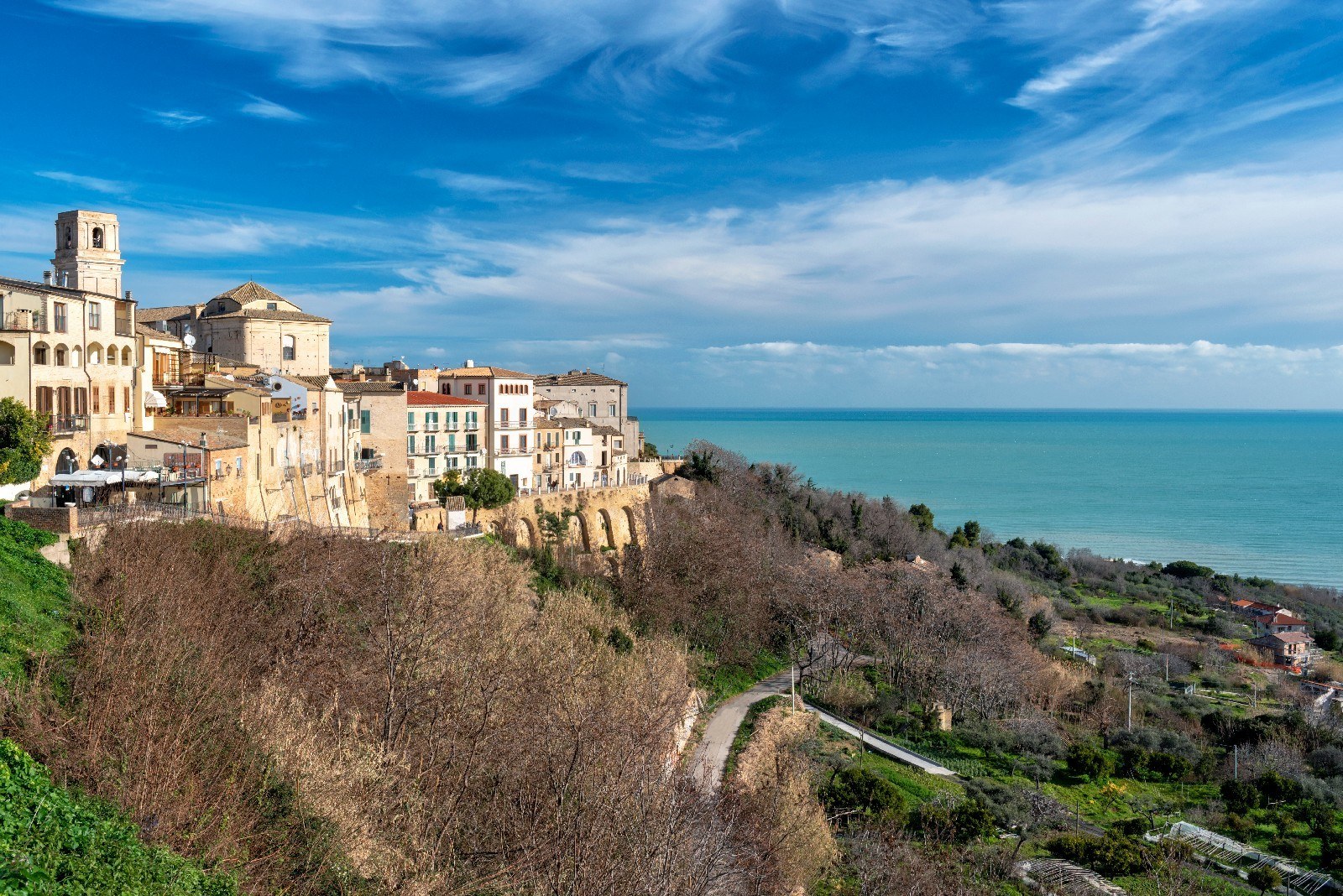
Two towns for the price of one, with the best new cycle route on the Italian coast running past the door.

Vasto, abruzzo / costa dei trabocchi
VastoABRUZZO / COSTA DEI TRABOCCHI

Why it is a hidden gem

On the cliff sits the historic town, with Palazzo d'Avalos and a view across the entire Golfo di Vasto. Down at the water sits Vasto Marina and its long sand beaches. Between them begins the Costa dei Trabocchi, the stretch of coast with the old wooden fishing platforms, now linked by a cycle path built on a disused railway embankment.

Abruzzo is rising. Enquiries from foreign buyers have grown by forty percent compared with the previous four year period, and the region was awarded sixteen Blue Flags in 2026. Vasto is still priced as though nobody has noticed.

What to do

Ride the trabocchi route. It runs along the water for more than forty kilometres and is the best thing built on the Italian coast in a decade. Eat on a trabocco, several serve food in summer. Drive up into Majella National Park, ninety minutes away, and swap the sea for 2,700 metre mountains in a single morning.

What to eat

Brodetto alla vastese, cousin to the Termoli version but built on a different doctrine. Ventricina vastese, a coarse salami seasoned with sweet paprika, one of Italy's great cured meats and nearly impossible to find further north. Arrosticini, small lamb skewers grilled over a long charcoal trough. Drink Montepulciano d'Abruzzo and Pecorino, the grape rather than the cheese.

The outlook

The strongest risk adjusted outlook in the guide. Abruzzo has momentum, infrastructure and an international discovery under way, without yet having Puglia's prices. We expect rising values over the next five years, fastest for sea facing positions and for renovated properties with a view.

03PUGLIA / VALLE D'ITRIA

Ceglie Messapica

The gastronomic capital of Puglia. Not our phrase, the Italians'.

Ceglie Messapica, puglia / valle d'itria
Ceglie MessapicaPUGLIA / VALLE D'ITRIA

Why it is a hidden gem

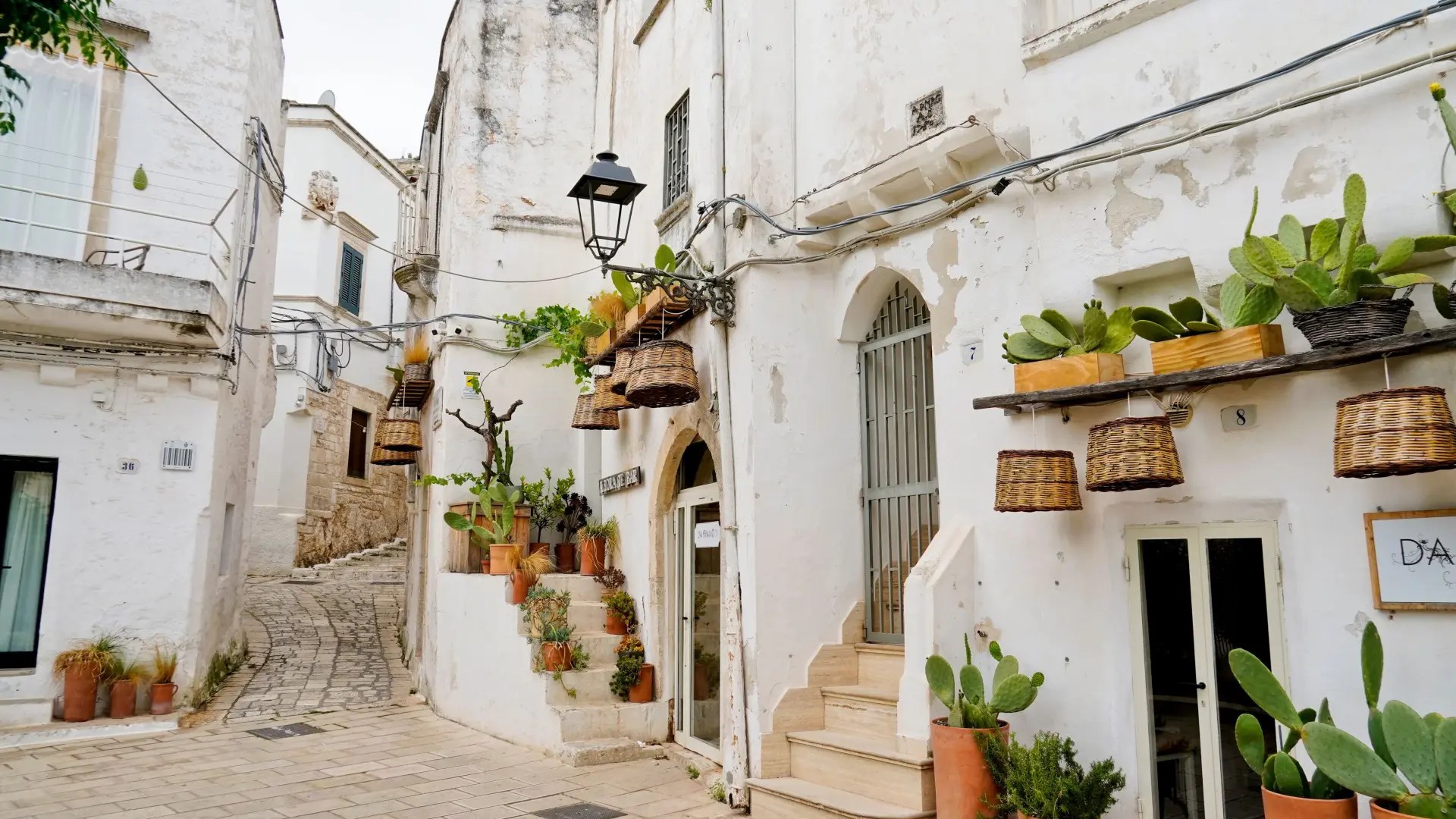
Ceglie sits up on the Murge plateau in the Valle d'Itria, the same landscape as Ostuni and Cisternino, with trulli, dry stone walls, ancient olive trees and whitewashed limestone. The difference is that Ceglie is twenty minutes from the sea rather than on it, and therefore has five thousand fewer visitors and roughly half the price level.

At just under twenty thousand residents, the town also qualifies for the seven percent regime. Its neighbours do not always.

What to do

Eat. That is genuinely what one does in Ceglie. Beyond that: walk the old town around Piazza Plebiscito, visit the Castello Ducale, drive the white villages of Cisternino, Locorotondo and Martina Franca in sequence, and go down to the Torre Guaceto nature reserve on the coast, twenty five minutes away and considerably calmer than the beaches below Ostuni.

What to eat

Biscotto cegliese is the town's protected biscuit, made with almond, sour cherry jam and honey. Fornello pronto is the institution: butcher shops with a wood oven where you choose meat over the counter and get it back grilled, gnumeredde and bombette. Alongside it, orecchiette, burrata from Andria, oil pressed from the Coratina olive, and Primitivo or Susumaniello.

The outlook

Rising, and this is the town on the list most likely to be fully repriced before 2030. House prices are up roughly 3.6 percent over the past twelve months and nearly twenty five percent over three years. The market has started to understand. Buy within two years or accept a different price.

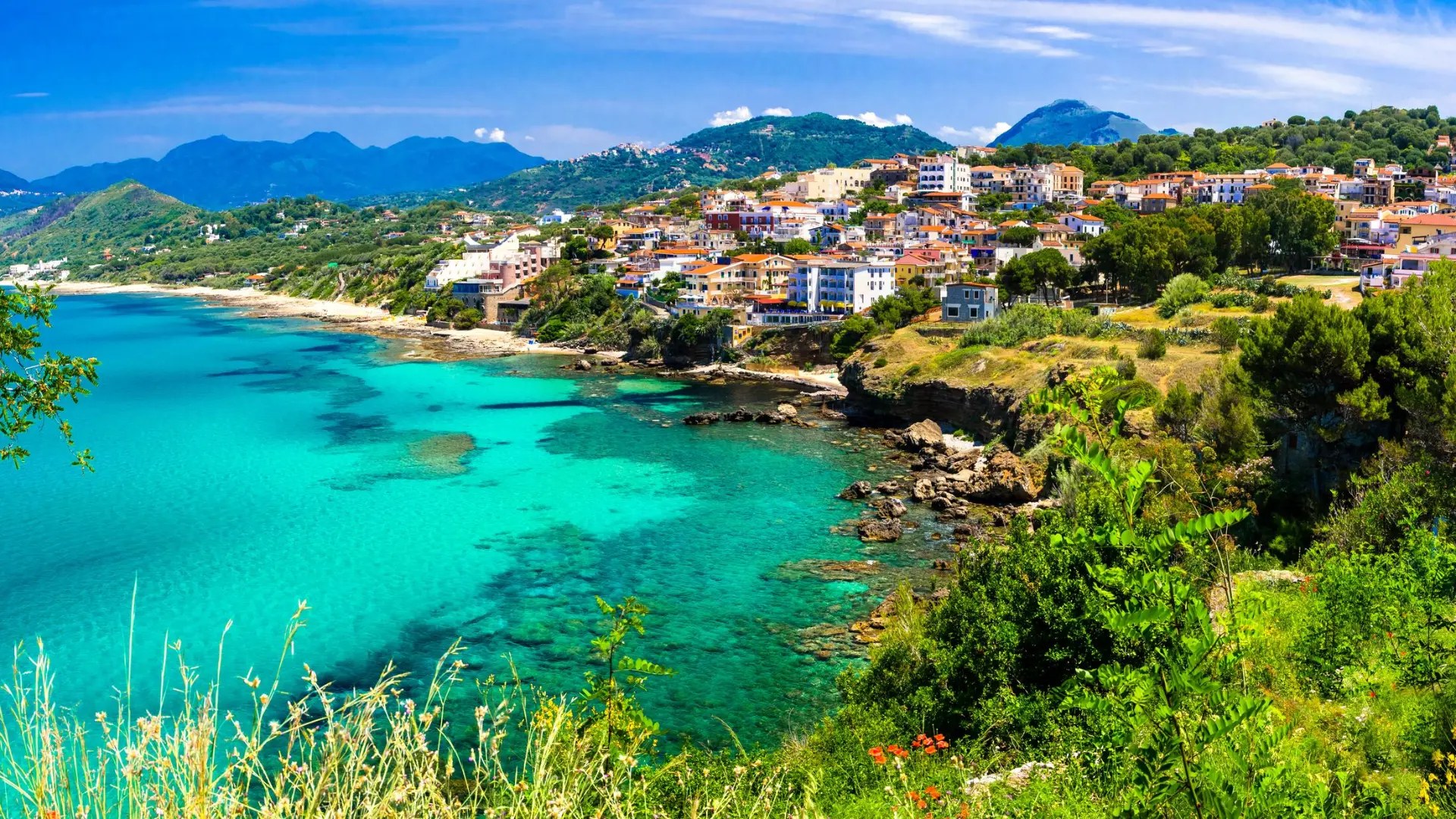
04CAMPANIA / CILENTO

Marina di Camerota

The quiet opposite of the Amalfi Coast. Same sea, a third of the price, almost no foreign buyers.

Marina di Camerota, campania / cilento
Marina di CamerotaCAMPANIA / CILENTO

Why it is a hidden gem

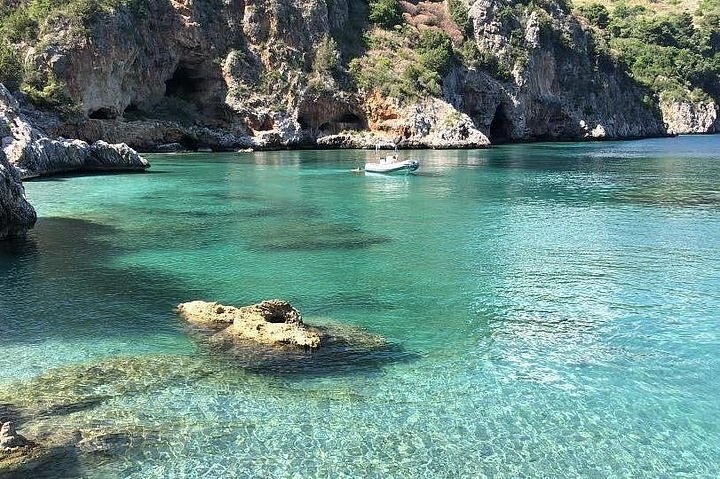
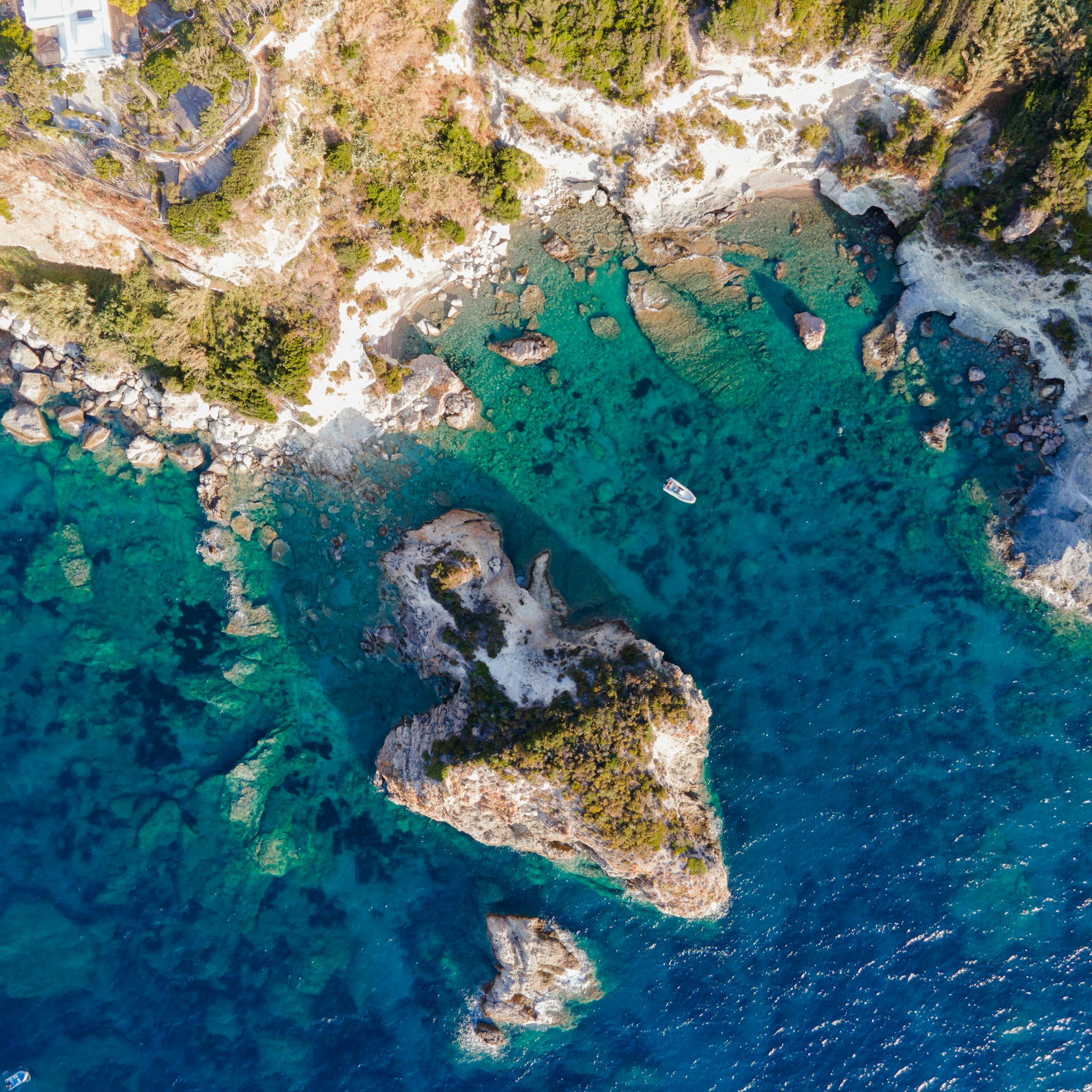
Marina di Camerota sits at the southern edge of Campania, inside the UNESCO listed Cilento National Park. Much of the coastline is unreachable except from the water, with caves, rock coves and a fishing harbour that is still a fishing harbour rather than a marina.

It is also where the Mediterranean diet was first described. Ancel Keys lived in Pioppi, further north on the same coast, while he was writing about it.

What to do

Hire a boat and run the coast toward Punta degli Infreschi, one of the last entirely undeveloped bays on the Italian mainland. Visit Grotta della Cala, a Palaeolithic settlement. Hike in the national park. Drive up to Palinuro, eight kilometres away. Take a day trip to Paestum, the Greek temples to the north, among the best preserved in the world and noticeably less visited than those in Sicily.

What to eat

Alici di menaica, anchovies caught with a traditional net method that only a handful of Cilento boats still use, salted by hand and protected as a Slow Food presidium. Cacioricotta di capra, fico bianco del Cilento which are dried white figs, and a simple pasta tradition of its own, fusilli cilentani with goat or with chickpeas. Drink Aglianico and Fiano from Cilento.

The outlook

Slowly rising, with one risk to watch: the season. Cilento lives for nine weeks in summer and sleeps the rest of the year. In practice the rental calculation only works in July and August, and the infrastructure is thin. Buy here for the landscape and the quiet, not for the return.

05TUSCANY / CASENTINO

Bibbiena

A Tuscan address at a fraction of the Tuscan price, and the only part of the region that never became an international market.

Bibbiena, tuscany / casentino
BibbienaTUSCANY / CASENTINO

Why it is a hidden gem

Bibbiena sits in the Casentino, the upper Arno valley between Arezzo and the Apennines. The reason it stayed undiscovered is simple: there are no vineyards here for the postcards. There are forests, monastery mountains, chestnut woods and a functioning Italian provincial town.

Camaldoli and La Verna, two of Italy's most important monastic sites, are both within half an hour. Florence is a little over an hour away.

What to do

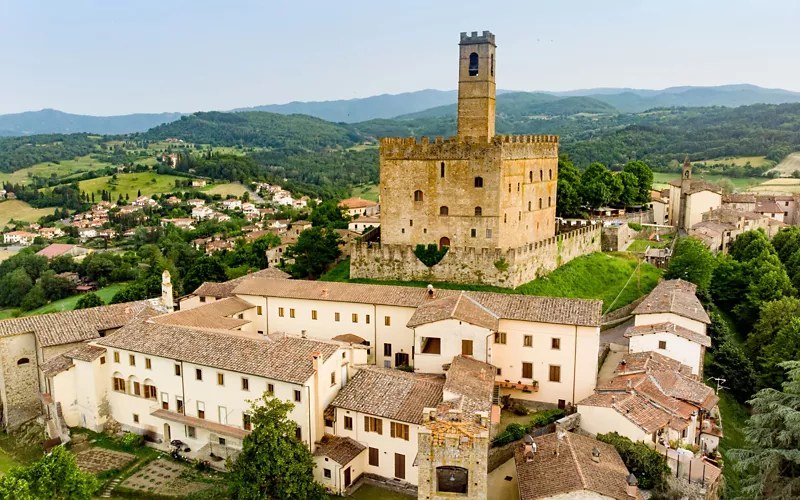
Hike in the Foreste Casentinesi National Park, one of Europe's oldest forests and the source of Venice's ship timber. Visit the Eremo di Camaldoli and La Verna. Drive to Poppi and the castle Dante mentions. Go into Arezzo in forty minutes for the antiques fair on the first weekend of every month.

What to eat

Prosciutto del Casentino and grigio del Casentino, the local pig breed. Tortelli di patate, the valley's own potato filled pasta. Acquacotta, a bread soup from the mountains. Chestnut in everything through autumn: flour, cakes, honey. Bistecca alla fiorentina from Chianina beef raised a few kilometres away.

The outlook

Stable with a slow climb. The Casentino will not boom, there is no mechanism for it. But there is almost no downside either. Tuscany as a brand carries the value, proximity to Florence carries the access, and prices are so low in regional terms that the gap will probably narrow over time.

TIER TWO

The balance

Four towns where you pay more and get something back: liquidity, healthcare, a rental season longer than nine weeks, and a ready made international community to land in.

06BASILICATA / TYRRHENIAN COAST

Maratea

Basilicata has thirty kilometres of coastline and all thirty are here.

Maratea, basilicata / tyrrhenian coast
MarateaBASILICATA / TYRRHENIAN COASTPhoto: Unsplash

Why it is still partly a hidden gem

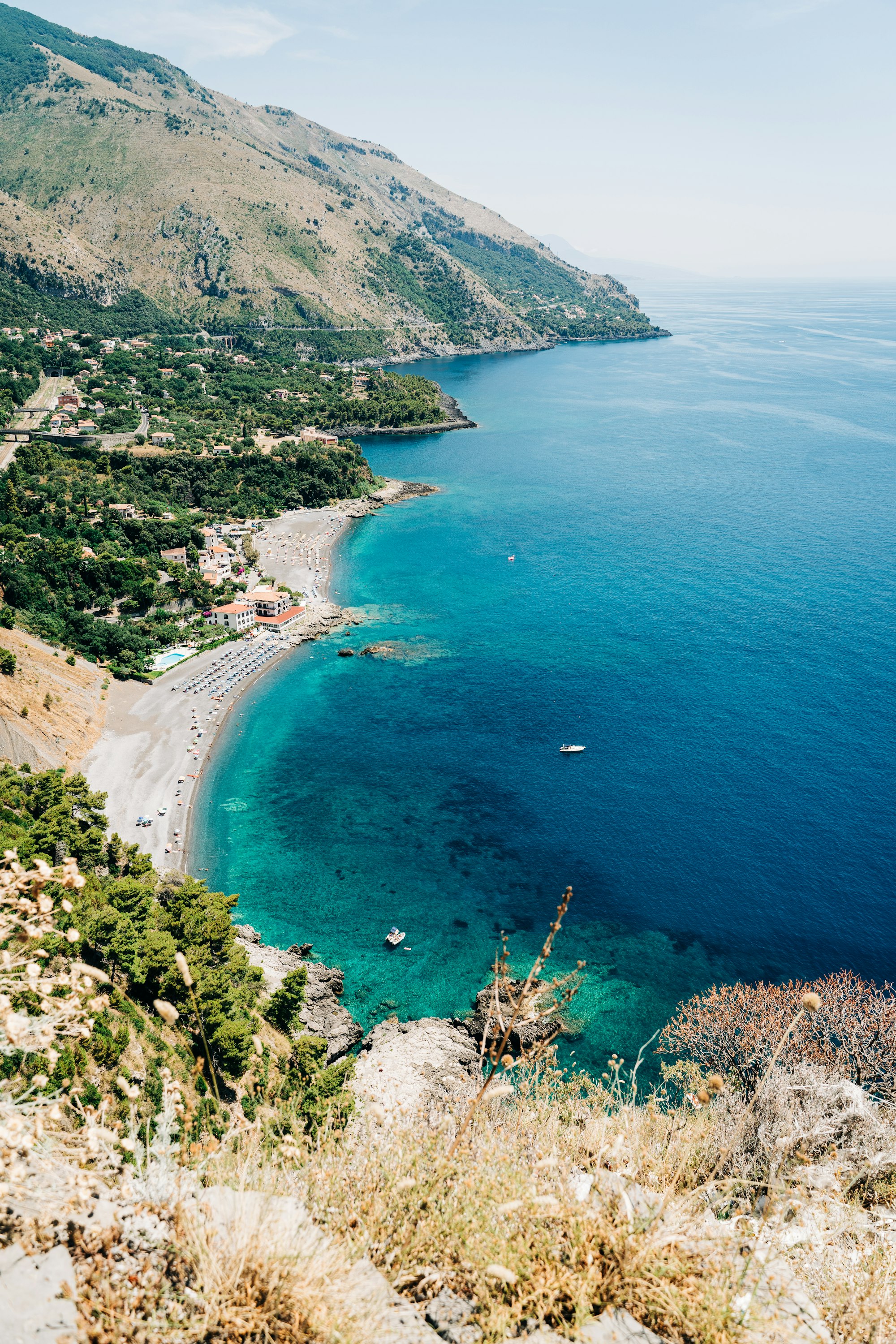
The mountain drops straight into the Tyrrhenian Sea, with a statue of Christ on top of Monte San Biagio that is second in size only to the one in Rio. Below it sits a medieval borgo, and below that a dozen rock coves.

Maratea is sometimes called the Amalfi Coast's secret. That is still true, but the margin is shrinking. This is the town on the list moving fastest right now.

What to do

Climb to the statue and the abandoned upper town of Maratea Superiore on the mountain. Explore the coves by boat, Cala Jannita with its black sand. Drive the SS18 coast road south toward Praia a Mare. Visit the Grotta delle Meraviglie. Hike Monte Crivo.

What to eat

Lagane e ceci, ribbon pasta with chickpeas, the foundation dish of Basilicata. Anchovies and sardines from the coast. Oil from Trecchina up in the hills. Peperone crusco, the dried and fried sweet pepper from Senise that is the region's signature. Drink Aglianico del Vulture, one of southern Italy's most serious reds.

The outlook

Rising, fastest of any town in this tier. Maratea has what moves prices: dramatic geography, limited supply because the coast is short and partly protected, and growing international attention. Five percent in a year is the signal.

07PUGLIA / SALENTO

Lecce

Not a hidden gem, and we will say so plainly. But the only place on the list where you can live a full urban life all year.

Lecce, puglia / salento
LeccePUGLIA / SALENTO

Why it belongs in the guide

Lecce is the most beautiful baroque city in southern Italy, called the Florence of the south, and it has been well known for twenty years. It is here for a different reason: a city of 95,000 people, with a university, a hospital, an airport at Brindisi forty minutes away, and a historic centre built entirely from the local golden limestone, pietra leccese, soft enough to carve and therefore the reason the baroque happened here at all.

What to do

Piazza del Duomo in the evening is one of the most theatrical spaces in Italy. The Basilica di Santa Croce. The Roman amphitheatre sitting in the middle of Piazza Sant'Oronzo. Drive to Otranto and Santa Maria di Leuca in an hour. Adriatic coast to the north, Ionian to the south, both within forty minutes.

What to eat

Rustico leccese, a puff pastry parcel of mozzarella, tomato and béchamel, eaten standing up. Puccia, the bread. Ciceri e tria, pasta with chickpeas where part of the pasta is fried. Pasticciotto for breakfast, a small custard tart. Drink Negroamaro and Primitivo di Manduria.

The outlook

Stable to slightly rising. Lecce is a mature market with no bubble characteristics. Its real advantage is liquidity: there is always a buyer, and the rental season runs March to November rather than August alone.

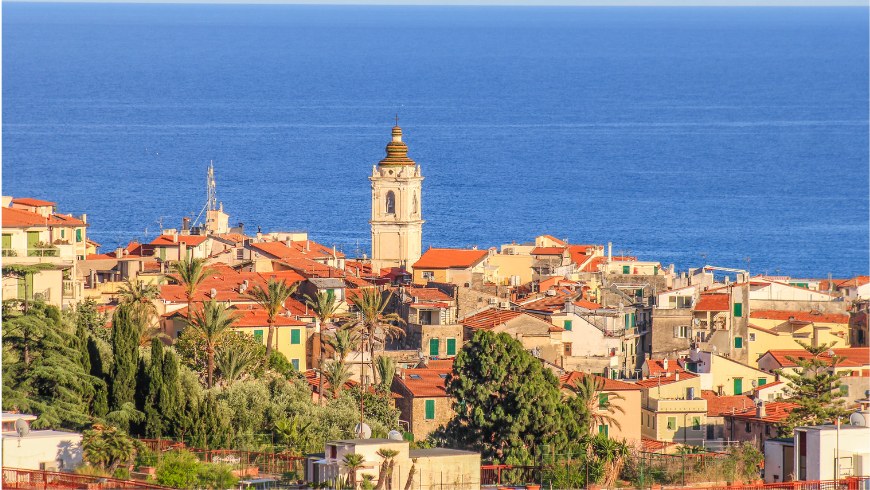
08LIGURIA / RIVIERA DEI FIORI

Bordighera

The one place on the list where a northern European can move permanently without friction.

Bordighera, liguria / riviera dei fiori
BordigheraLIGURIA / RIVIERA DEI FIORI

Why it belongs in the guide

An old winter resort on the Riviera, ten kilometres from the French border and forty five minutes from Nice airport, with palms, nineteenth century English villas and a medieval core up on the hill. Monet painted here.

The town still has German, English and Scandinavian speaking doctors. That sounds dull until the day you need one.

What to do

Walk the Lungomare Argentina, two kilometres along the water. Up in the old town, the Giardino Esotico Pallanca holds one of Europe's largest cactus collections. Drive inland to Dolceacqua for its humpbacked bridge and the Doria castle. Sanremo in twenty minutes, Menton in thirty, Nice in forty five.

What to eat

Ligurian food is the most restrained cooking in Italy and possibly the best. Pesto made with basil from Prà, trofie, trenette. The Taggiasca olive and the oil pressed from it. Sardenaira, the local anchovy pizza. Gambero rosso di Sanremo, the red prawn, eaten raw. Drink Pigato, Rossese di Dolceacqua and Vermentino.

The outlook

Stable and safe. Bordighera tracks French Riviera demand rather than the Italian market, which makes it less volatile and more predictable. The upside is limited and so is the downside.

09CAMPANIA / CILENTO

Palinuro

The cape where Aeneas lost his helmsman, with a blue grotto that rivals the one on Capri.

Palinuro, campania / cilento
PalinuroCAMPANIA / CILENTO

Why it belongs in the guide

Palinuro is the best known town in Cilento, which means it has the infrastructure, restaurants and hotels that Marina di Camerota lacks. It also means it has more people and higher prices.

Take Palinuro if you want the convenience. Take Marina di Camerota if you want the quiet. They are eight kilometres apart and they are two different decisions.

What to do

The grotto tours around the cape are the town in miniature, so book a morning slot before the boats arrive. The Arco Naturale. Buondormire beach, reachable only on foot or from the water. Walk the Sentiero del Mediterraneo along the coast. Paestum to the north, Maratea to the south, both under ninety minutes.

What to eat

The same Cilento cooking as Marina di Camerota, with more choice and slightly higher prices. Alici di menaica, figs, cacioricotta, buffalo mozzarella from the Paestum plain to the north. Seek out family run places inland at Centola rather than whatever sits on the seafront.

The outlook

Stable. Palinuro already has its audience, mostly Italian, and lacks the tail of international demand that would move prices quickly. The seasonality is extreme. Buy for your own use, not as an investment.

TIER THREE

Dreams with a price tag

Six towns that are exactly as beautiful as their reputation, and priced accordingly. They belong in this guide, but not as finds. For each one we suggest the lesser known version of the same thing.

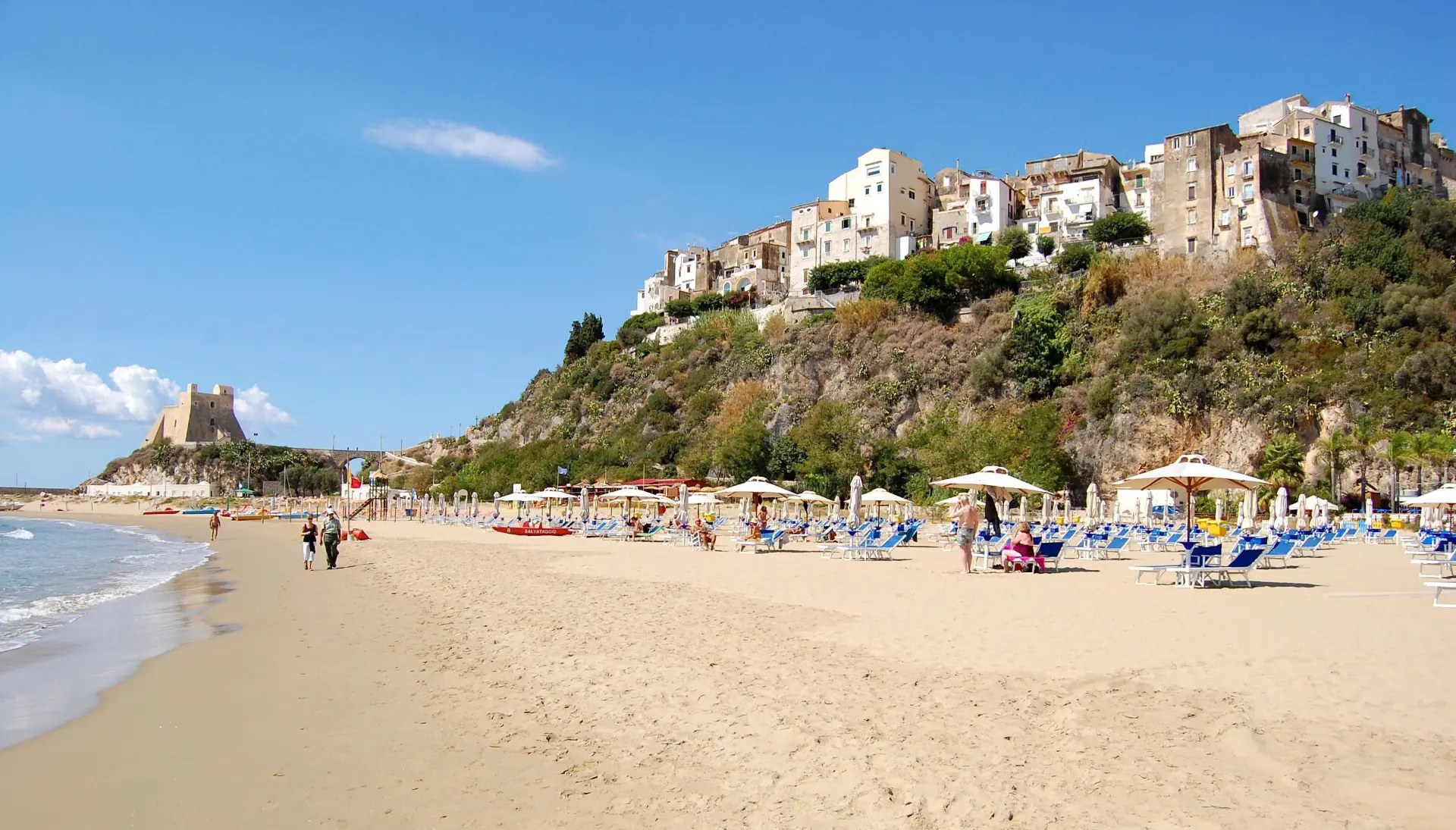
10LAZIO / TYRRHENIAN COAST

Sperlonga

A whitewashed borgo on a cliff between Rome and Naples, with Tiberius's imperial villa at the edge of town.

Sperlonga, lazio / tyrrhenian coast
SperlongaLAZIO / TYRRHENIAN COAST

The reality

Sperlonga is one of the most beautiful coastal settlements in Italy, without reservation. It is also where Rome goes in August. The market is closed, supply is minimal and prices follow Roman purchasing power rather than the local economy. In August the lanes are full. In February the town is shut.

What to do

The Villa di Tiberio and the museum holding the Homeric sculptures. The beaches on either side of the cliff. Gaeta to the south, and the inland villages of Itri and Fondi.

What to eat

Fish, buffalo mozzarella from the Fondi plain, oil from Itri and the Gaeta olive.

The outlook

Stable and high. Nothing suggests it falls, nothing suggests it returns anything.

Show the buyer instead: Gaeta Medievale, Itri, Terracina Alta. Same coast, same kitchen, a third of the price.

11LAZIO / PARCO NAZIONALE DEL CIRCEO

San Felice Circeo

Calypso's island according to the Odyssey, now a headland with a national park and a marina full of Roman motorboats.

San Felice Circeo, lazio / parco nazionale del circeo
San Felice CirceoLAZIO / PARCO NAZIONALE DEL CIRCEO

The reality

A closed market of Roman villa owners in the second and third generation. The national park also places heavy limits on what you may build and renovate, which is excellent for the landscape and awkward for you. Expect long approval times and limited freedom in the project.

What to do

Climb Monte Circeo. The Grotta della Maga Circe. The coastal lakes inside the park. Ponza by ferry.

What to eat

Fish and shellfish, buffalo mozzarella from the Pontine plain, the local Circeo white wine.

The outlook

Stable and high, with low turnover. Few properties reach the open market and many change hands inside the network.

Show the buyer instead: Ventotene, or the inland side of Sabaudia. Same national park, a different price picture.

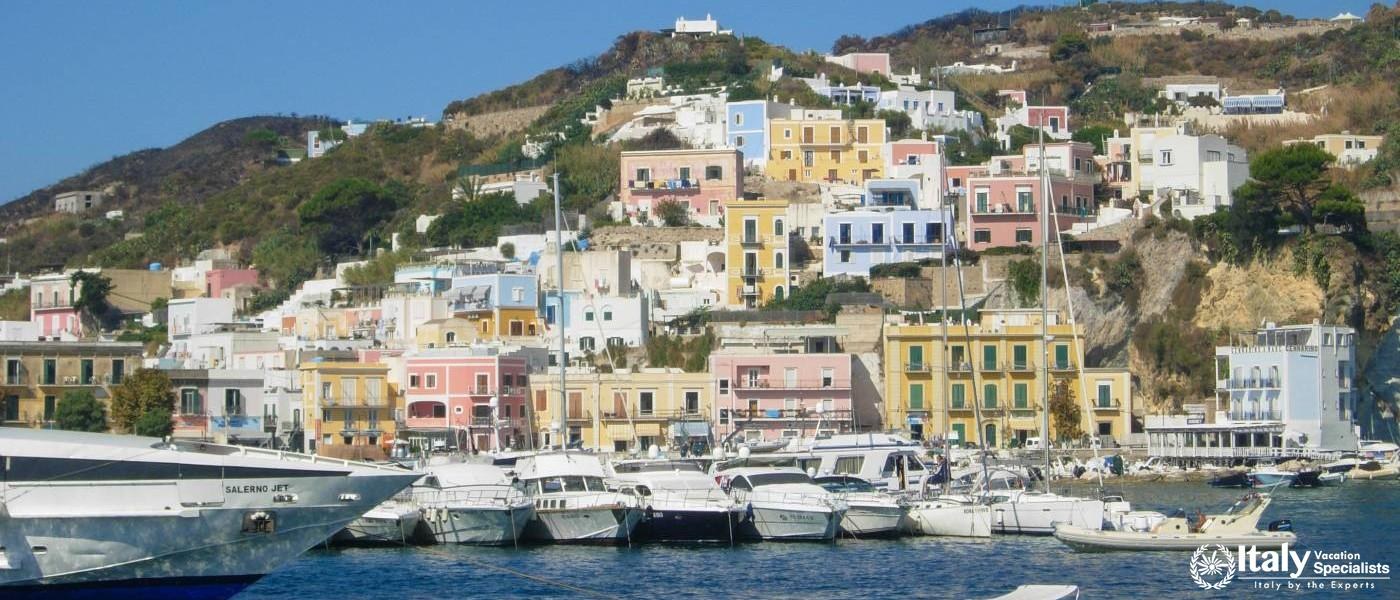
12LAZIO / PONTINE ISLANDS

Ponza

The volcanic island with pastel houses terraced up the cliffs and water that meets Greek standards.

Ponza, lazio / pontine islands
PonzaLAZIO / PONTINE ISLANDSPhoto: Unsplash

The reality

Logistically the hardest renovation in this guide. Every material arrives by boat, tradespeople have to stay on the island, the building rules are strict and the season is short. Budget at least thirty to fifty percent above mainland costs, and expect the project to take longer than planned.

What to do

Chiaia di Luna, the Piscine Naturali, a boat around the island, Palmarola as a day trip.

What to eat

Fish, lentils from Ventotene, rabbit, and Biancolella wine grown on the island terraces.

The outlook

Stable and high, but illiquid. Selling takes time and the buyer pool is narrow.

Show the buyer instead: Ventotene, which is cheaper and calmer, or Giglio Castello if what they want is an island and height.

13PUGLIA / VALLE D'ITRIA

Ostuni

The white city on the hill, surrounded by thousand year old olive trees. The picture of Puglia in practically every piece of marketing that exists.

Ostuni, puglia / valle d'itria
OstuniPUGLIA / VALLE D'ITRIAPhoto: Unsplash

The reality

For bargain hunters the peak has passed. Ostuni was discovered by international buyers roughly ten years ago and is now priced as an international town. It is still spectacular. It is simply no longer cheap.

What to do

Walk the white labyrinth. The cathedral. The Torre Guaceto nature reserve. The olive mills on the Piana degli Ulivi. Alberobello and the Valle d'Itria inland.

What to eat

Orecchiette, burrata, bombette, olives and oil from the groves immediately below the town.

The outlook

Still rising, but from a high base. Demand is broad and international, which gives good liquidity and little upside for anyone buying now.

Show the buyer instead: Ceglie Messapica, Carovigno or San Vito dei Normanni. Live there, drive into Ostuni in the evening, and keep the difference.

14PUGLIA / ADRIATIC COAST

Polignano a Mare

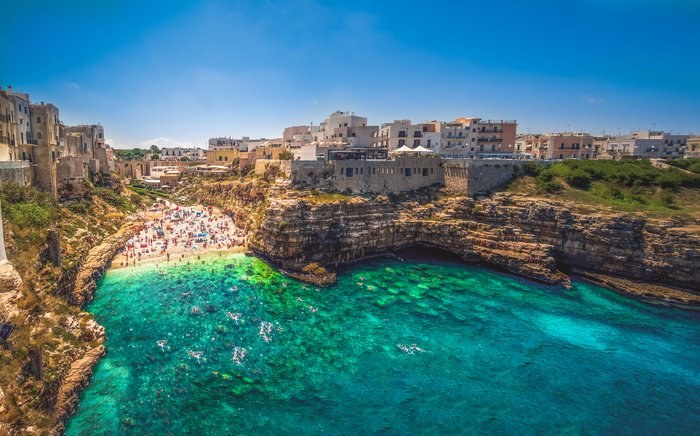
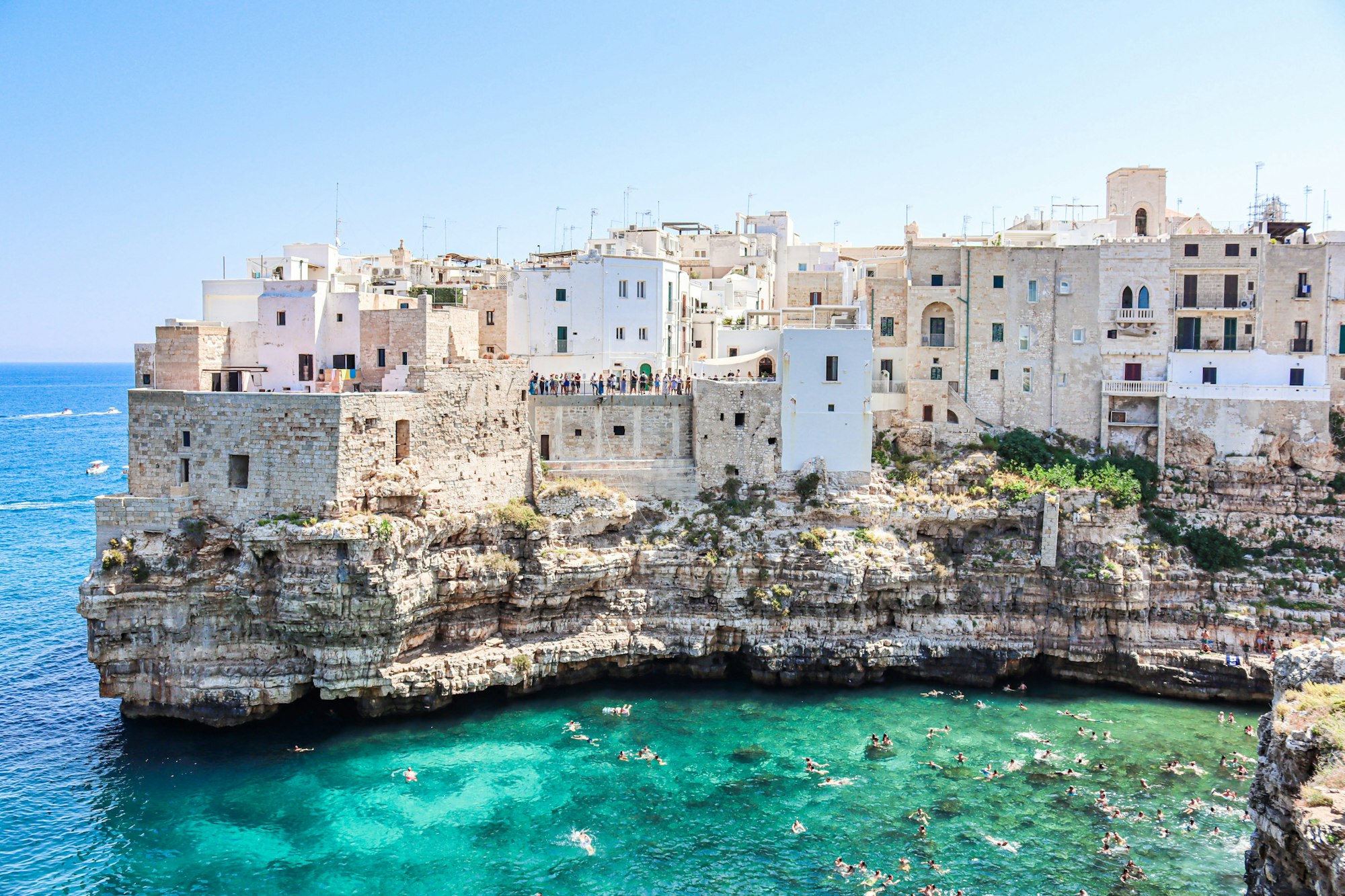
The town on the cliff above Lama Monachile, with houses hanging straight out over the water.

Polignano a Mare, puglia / adriatic coast
Polignano a MarePUGLIA / ADRIATIC COASTPhoto: Unsplash

The reality

Already eaten. Polignano went from local seaside town to international landmark somewhere around 2018 and prices followed. The day visitors from Bari are numerous and intense. It is still spectacular, but you are buying a stage set, not a secret.

What to do

Lama Monachile, the sea caves along the coast, the Domenico Modugno statue, and Monopoli ten minutes south, which is noticeably calmer.

What to eat

Ricci, sea urchins, raw fish, and the gelato the town is known for.

The outlook

Rising but expensive. The rental performance is excellent, which justifies the price if you are buying for return rather than for the feeling of a bargain.

Show the buyer instead: Trani, Giovinazzo or Monopoli. Same Adriatic coast, considerably more real daily life.

15TUSCANY / MAREMMA

Castiglione della Pescaia

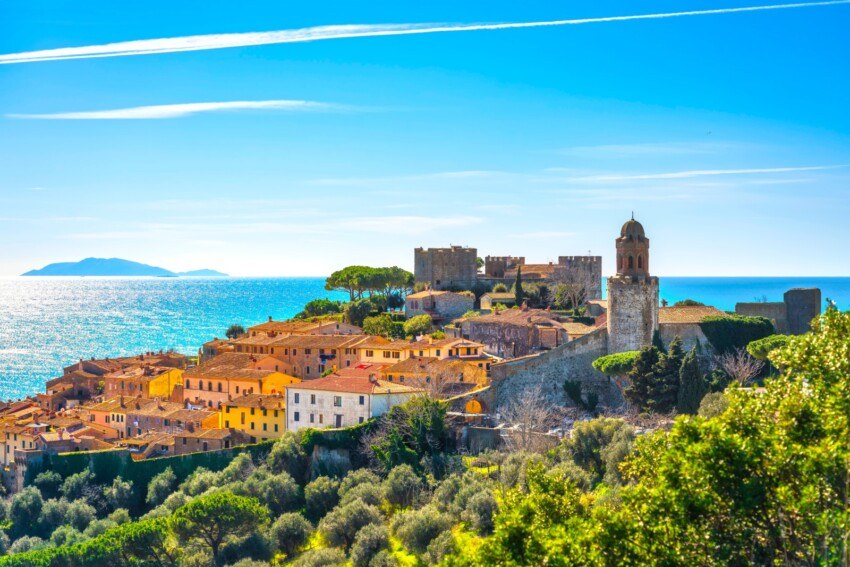
The most complete coastal town in the Maremma: a walled upper town, a working fishing harbour and pine forest running down to the sand.

Castiglione della Pescaia, tuscany / maremma
Castiglione della PescaiaTUSCANY / MAREMMA

The reality

Quality yes, bargain no. Castiglione is an established Tuscan resort with both Italian and international demand and the price level that follows. There is no discovery premium left. This is the most expensive town in the guide.

What to do

The upper town at sunset. The Riserva Naturale Diaccia Botrona. Etruscan Vetulonia. Punta Ala. Elba by ferry from Piombino.

What to eat

Cacciucco, the Tuscan fish stew. Maremma wild boar. Acquacotta. Bottarga. Drink Morellino di Scansano and Vermentino.

The outlook

Stable and high. A safe Tuscan asset rather than a growth case.

Show the buyer instead: Talamone, Scarlino or Capalbio. The same Maremma, a considerably smaller entry ticket.

Before you sign

An 80,000 euro house is rarely an 80,000 euro house. What lands on top is cadastral regularisation of whatever was built without permission sometime in the seventies, then the roof, the drainage, the wiring, the heating, and a seismic assessment that determines how much of the structure you are allowed to touch at all.

Five questions to answer before the deposit.

  1. 01Do the plans match the house?

    Discrepancies between the cadastral record and the building itself are the rule rather than the exception in Italy, and have to be resolved before completion.

  2. 02Which seismic zone applies?

    The zone drives both structural requirements and cost. The difference between zone 2 and zone 4 can be tens of thousands of euro on exactly the same renovation.

  3. 03What are you actually allowed to change?

    A historic centre, a national park or a landscape protection order often means windows, roof and facade cannot be altered.

  4. 04Who owns what?

    Shared walls, rights of way and inherited properties with twelve co owners are common in southern Italian villages and can stop a purchase outright.

  5. 05Are there tradespeople?

    In depopulated areas the bottleneck is not money, it is finding people who can do the work within a reasonable time.

We work through all five questions in your Property Plan

Send us a listing link or an address and an Italian architect reviews the plan before you decide.

Prices refer to 2026 and are indicative, based on public market data together with our own assessment of local positions. Always verify against a current valuation before making an offer. Tax information is a summary and does not replace advice from an Italian tax adviser.